by jqm | Dec 5, 2025 | Travel Insurance
Travel Insurance UK: Why It Matters & How JustQuoteMe Ltd Makes It Simple
When planning a holiday or business trip, most of us focus on flights, hotels, and itineraries—yet one essential part of travel often gets overlooked: travel insurance. Whether you’re exploring Europe for a weekend, heading on a long-haul adventure, or travelling for work, UK travel insurance provides peace of mind, financial protection, and essential support when you need it most. At JustQuoteMe Ltd, we make it easy to compare affordable policies and choose the right cover for your journey.
Why Travel Insurance Is Essential for UK Travellers
Unexpected events can happen anywhere, and travel insurance ensures you’re protected from the financial impact. Here’s why it’s important:
1. Medical Emergencies Abroad
Healthcare costs outside the UK can be extremely high. A simple hospital visit can run into thousands of pounds, and emergency repatriation can cost even more. UK travel insurance policies typically cover emergency medical treatment, hospital stays, and transport back home if needed.
2. Trip Cancellation or Delays
Illness, family emergencies, or airline issues can disrupt your plans. A comprehensive travel insurance policy can reimburse the cost of cancelled trips, missed departures, or unexpected delays.
3. Lost or Stolen Luggage
Losing your bags or important documents can ruin a holiday. Travel insurance helps cover the cost of essential items, replacements, or lost passports.
4. Adventure and Sports Cover
If you enjoy skiing, diving, or other adventurous activities, specialist travel insurance ensures you’re protected while having fun.
Types of Travel Insurance in the UK
At JustQuoteMe Ltd, we help you find a range of travel insurance options tailored to your needs:
Single Trip Insurance
Perfect for one-off holidays. You choose the destination, dates, and level of cover you need.
Annual Multi-Trip Insurance
Ideal for frequent travellers. One policy covers multiple trips throughout the year, often saving money in the long run.
Family Travel Insurance
A convenient and affordable way to protect the whole family under one policy.
Business Travel Insurance
Cover that supports employees travelling for work, including protection for equipment and last-minute changes.
Specialist Travel Insurance
Policies designed for backpackers, long-stay travellers, extreme sports enthusiasts, and those with pre-existing medical conditions.
Why Choose JustQuoteMe Ltd for Travel Insurance?
At JustQuoteMe Ltd, we’re committed to helping UK travellers find reliable and affordable travel insurance with ease. Here’s what sets us apart:
-
Fast & easy quotes – Compare multiple insurers in minutes.
-
Personalised cover options – Choose a policy that matches your destination, trip type, and budget.
-
Competitive pricing – We work with a wide range of insurers to ensure you get great value.
-
Trusted expertise – Our team helps you make informed decisions about the cover you need.
Final Thoughts
Travel insurance is one of the smartest investments you can make before heading abroad. It protects your health, belongings, and finances—letting you relax and enjoy your trip with confidence. With JustQuoteMe Ltd, finding the right UK travel insurance is quick, simple, and stress-free.
Ready to travel with confidence? Get your Instant travel insurance quote today with JustQuoteMe Ltd.
Click here for immediate Quotations JustQuoteme Travel Quote
Or Call 0800 084 2325

by jqm | Oct 1, 2025 | Home Insurance, Landlord Insurance, Warehouse Insurance
The Risk of Underinsurance in the UK
Underinsurance is one of the biggest issues facing property owners across the UK. Whether you own a residential home, a buy-to-let, or a commercial property, failing to insure your building for the correct value could leave you seriously out of pocket.
Recent UK insurance surveys suggest that around 80% of properties are underinsured, often by 20% or more. This means most property owners are paying premiums each year but still don’t have adequate cover in the event of a major loss.
Why Do So Many Properties End Up Underinsured?
There are several reasons why buildings sums insured don’t reflect the true cost of reinstatement:
-
Rising construction costs – Inflation in labour, building materials, and professional fees increases rebuild costs each year.
-
Outdated valuations – Many owners set a sum insured years ago and never review it.
-
Confusing “market value” vs. “rebuild cost” – Insurance should be based on the cost to rebuild, not the selling price.
-
Extensions and renovations – Improvements to the property are often not declared to insurers.
-
VAT and fees – Owners sometimes forget to include demolition, debris removal, and architects’ fees in their sums insured.
The result is underinsurance, which can dramatically reduce the payout you receive following a claim.
The Importance of the Average Clause
Most UK property insurance policies include an Average Clause. This clause is designed to ensure fairness between policyholders – but it can be a nasty surprise if you are underinsured.
In simple terms, the Average Clause means that if your property is insured for less than its true rebuild cost, any claim will be reduced in proportion to the level of underinsurance.
How the Average Clause Works – Example
Let’s say:
-
The true rebuild cost of your property is £1,000,000
-
You insure it for £750,000 (25% underinsured)
-
A fire causes damage worth £400,000
Because of the Average Clause, the insurer will not pay the full £400,000. Instead, they apply the proportion of underinsurance:
Sum Insured ÷ True Value × Loss = Settlement
£750,000 ÷ £1,000,000 × £400,000 = £300,000 payout
This leaves you £100,000 short – even though your sum insured looked high on paper.
Residential vs Commercial Property Risks
-
Residential properties – Homeowners often underestimate rebuild costs, particularly for period properties, listed buildings, or houses with specialist features. For tailored cover, explore our Residential Landlords Insurance.
-
Commercial properties – Business owners are especially vulnerable due to larger, more complex buildings, additional compliance costs, and the need to cover tenant improvements. Learn more on our Commercial Property Owners Insurance page.
For landlords and commercial property owners, underinsurance can also affect business continuity if repairs are delayed due to lack of funds.
How to Avoid Underinsurance
-
Get a professional rebuild cost assessment – Use a chartered surveyor or online RICS calculator.
-
Review your sums insured regularly – Ideally every year, especially after renovations.
-
Factor in fees and VAT – Don’t forget demolition, debris removal, and professional costs.
-
Work with a specialist broker – At Just Quote Me Ltd, we help ensure your sums insured are realistic and up to date.
Protect Your Property Investment
Underinsurance is a hidden risk that could cost you thousands at the worst possible time. By reviewing your sums insured and understanding the Average Clause, you can safeguard your financial security.
👉 Contact Just Quote Me Ltd today for expert advice and a no-obligation property insurance quote. Make sure your residential or commercial building is fully protected.

by jqm | Sep 25, 2025 | Landlord Insurance
Commercial Property Owners Insurance in the UK – Why You Need It
Owning commercial property, whether offices, shops, warehouses, or industrial units, comes with significant responsibilities. Protecting your investment with the right insurance is essential. Commercial Property Owners Insurance provides tailored cover against risks that could disrupt your business or cause financial loss. At JustQuoteme Ltd, we specialise in helping commercial property owners across the UK secure cost-effective, comprehensive insurance.
What is Commercial Property Owners Insurance?
Commercial property owners insurance is designed to protect business premises and assets against damage and liability claims. It covers the building itself, any fixtures and fittings, and often the contents used in connection with the property. Unlike standard commercial insurance, property owners insurance is specifically tailored for landlords and property investors.
Who Needs It?
This type of insurance is ideal for:
-
Owners of office buildings or business parks
-
Owners of retail premises, shops, and high street properties
-
Industrial unit owners and warehouse landlords
-
Investors with mixed-use commercial property portfolios
If you own commercial property, having the right insurance ensures you protect your asset and your rental income.
What Does Commercial Property Owners Insurance Cover?
Typical policies include:
-
Buildings insurance – protection against damage from fire, flood, storm, subsidence, and accidental damage
-
Contents insurance – covers fixtures, fittings, and landlord-owned equipment within the property
-
Loss of rent cover – protects your income if your property becomes uninhabitable due to insured damage
-
Accidental and malicious damage cover – protects against damage caused by tenants or third parties
Property Owners Liability Cover
A crucial part of commercial property owners insurance is Property Owners Liability Cover. This protects you from legal liability if someone is injured or property is damaged as a result of your property ownership.
This cover protects you in situations such as:
-
A visitor injured by a structural fault in your property
-
Damage to neighbouring properties caused by your building
-
Accidents in communal areas or car parks you own
Without property owners liability cover, you could face costly legal claims and compensation payments. This cover provides peace of mind that you’re protected against financial loss from third-party claims.
Why Choose JustQuoteme Ltd?
At JustQuoteme Ltd, we work with leading insurers to find tailored commercial property owners insurance policies that match your needs. Our expert brokers understand the risks facing commercial landlords and can arrange competitive quotes with comprehensive coverage.
Choosing JustQuoteme means:
-
Access to a wide panel of UK insurers
-
Expert advice on the best policy options
-
Transparent pricing and no hidden costs
-
Personalised service tailored to your property and business needs
-
Fast, simple quotes so you can secure cover quickly
Our goal is to make the process easy while ensuring you get the protection you need at the best possible price.
Get a Quote Today
If you’re a commercial property owner in the UK, don’t leave your property and income unprotected. Speak to JustQuoteme Ltd today for a fast, no-obligation quote on commercial property owners insurance with property owners liability cover.
Or call us now on 0800 084 2325
👉 Protect your investment with JustQuoteme — because your property deserves the best protection.

by jqm | Sep 25, 2025 | Landlord Insurance
Residential Landlords Insurance in the UK – Why You Need It
If you own a house, flat, or multiple properties that you rent out to tenants, having the right insurance is essential. Residential Landlords Insurance, also known as Property Owners Insurance, is designed to protect your investment against risks such as fire, flood, damage, and legal claims. At JustQuoteme Ltd, we help landlords across the UK find cost-effective insurance tailored to residential rental properties.
What is Residential Landlords Insurance?
Residential landlords insurance goes beyond standard home cover. It provides protection for property owners who let their buildings to tenants. From single buy-to-lets to larger portfolios, this insurance ensures landlords are not left facing huge financial losses if something goes wrong.
Who Needs It?
Residential landlords insurance is suitable for:
-
Private landlords with one or more rental properties
-
Buy-to-let investors renting homes or flats to tenants
-
Resident associations or management companies overseeing shared blocks
-
Portfolio landlords managing multiple residential lets
Whether you’re new to property letting or manage several tenants, residential landlords insurance keeps your assets and income secure.
What Does Residential Landlords Insurance Cover?
Policies can include:
-
Buildings insurance – protection for the structure of your rental property against fire, flood, or storm damage
-
Contents insurance – covers furnishings, white goods, and other items in furnished properties
-
Loss of rent cover – helps you recover lost rental income if tenants must move out due to insured damage
-
Accidental and malicious damage – including damage caused by tenants
Property Owners Liability Cover
A key benefit of residential landlords insurance is Property Owners Liability Cover. As a landlord, you are legally responsible for the safety of tenants, visitors, contractors, and even members of the public while they’re on your property.
This cover protects you if:
-
A tenant slips on poorly maintained stairs and is injured
-
A visitor is harmed due to a loose tile or faulty handrail
-
Damage occurs to a neighbouring property caused by your building
Property owners liability insurance ensures you won’t be left facing costly legal claims or compensation payouts. It’s one of the most valuable protections for residential landlords in the UK.
Common Exclusions
Typical exclusions include:
-
General wear and tear
-
Lack of property maintenance
-
Unoccupied homes without additional cover
-
Tenant default (unless added as an optional extra)
At JustQuoteme Ltd, we’ll clearly explain what’s covered and help you choose the right extras for your situation.
Why Choose JustQuoteme?
As an experienced UK insurance broker, we work with leading insurers to secure the most competitive rates for residential landlords. Whether you own one buy-to-let or multiple homes, we’ll tailor your cover to ensure maximum protection. Our goal is to save you time, money, and stress by finding the right insurance at the right price.
Get a Quote Today
If you’re a residential landlord in the UK, don’t leave your property and rental income unprotected. Contact JustQuoteme Ltd today for a fast, no-obligation quote on residential landlords insurance with property owners liability cover.
Click Here for an Instant Free Quotation for Residential Landlords Insurance
Or Call us on 0800 084 2325
👉 Get protected and let with confidence.
by jqm | Sep 11, 2025 | Insurance
⚙️ Plant Insurance in the UK – Protect Your Machinery with JustQuoteMe Ltd
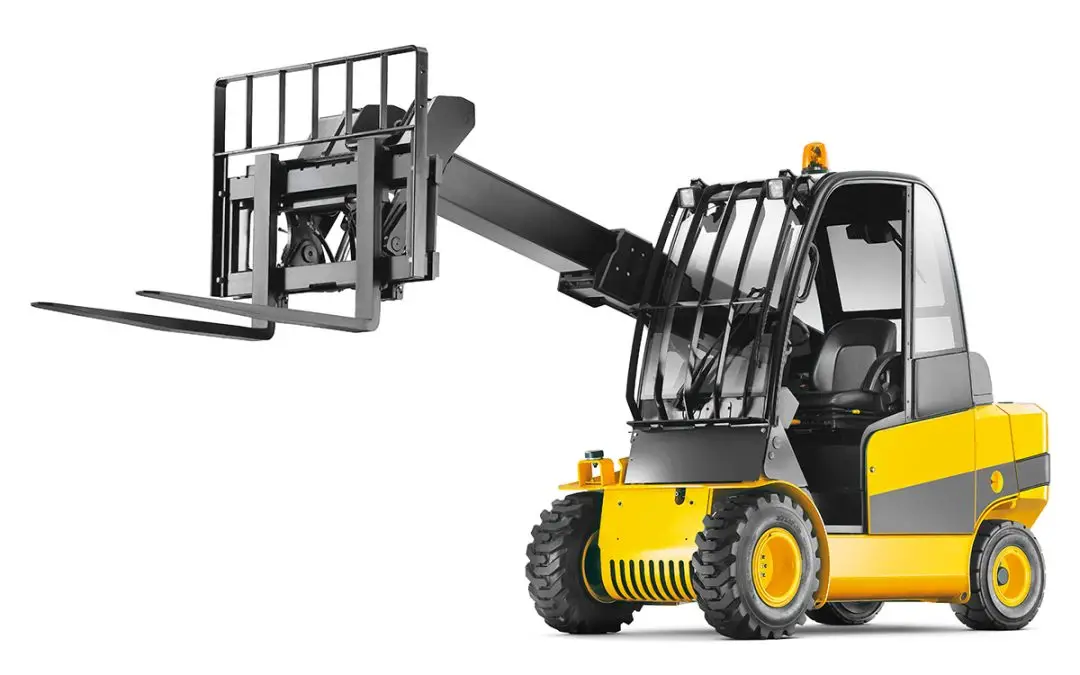
Plant and machinery are essential to many industries, from construction and landscaping to civil engineering and demolition. These valuable assets are often exposed to significant risks, including theft, damage, fire, and accidental loss. Without the right cover, repairing or replacing plant equipment can be extremely costly and disruptive to your business.
That’s where plant insurance comes in. At JustQuoteMe Ltd, we specialise in arranging tailored plant insurance policies for businesses across the UK, helping protect your equipment, your projects and your profits.
🛡 What Is Plant Insurance?
Plant insurance is designed to protect owned or hired-in machinery and equipment used for construction, groundwork and similar commercial activities. It provides financial protection if your plant is stolen, damaged or involved in an accident.
Policies can be arranged for both owned plant (equipment you own outright) and hired-in plant (equipment you rent from a supplier). Many hire companies require proof of insurance before releasing equipment, making this cover essential.
⚠️ What Does Plant Insurance Cover?
A comprehensive plant insurance policy from JustQuoteMe Ltd can include:
-
Accidental damage to plant and machinery
-
Theft, fire, flood or vandalism losses
-
Transit cover while moving plant between sites
-
Hired-in plant insurance to meet hire contract conditions
-
Continuing hire charges if hired plant is damaged or stolen
-
Public liability and employers’ liability (optional add-ons)
This wide protection ensures that if something goes wrong, your business will not face costly delays or project downtime.
💷 Why Plant Insurance Is Important
Construction and trade sites are common targets for theft, with high-value machinery often left unattended overnight. Replacing stolen or damaged equipment can cause huge unexpected costs and delay your projects.
Having plant insurance protects your business from these financial risks, allowing you to get back to work quickly without large out-of-pocket losses. It also gives peace of mind to your clients and contractors, showing you take safety and responsibility seriously.
💼 Why Choose JustQuoteMe Ltd
At JustQuoteMe Ltd, we understand how vital your machinery is to your daily operations. Our experienced team will:
-
Compare plant insurance quotes from trusted UK insurers
-
Tailor policies to your business size, site risks and plant type
-
Find competitive premiums that suit your budget
-
Provide expert support from quote to claim
We make arranging plant insurance simple, fast and stress-free, so you can focus on keeping your projects on schedule.
📞 Get a Plant Insurance Quote Today
Don’t let theft or damage stop your work. Contact JustQuoteMe Ltd today for a free, no-obligation plant insurance quote. Protect your equipment and your livelihood with the right cover in place.
Call Now on 0800 084 2325 for a free quotation
by jqm | Sep 11, 2025 | Insurance
✈️ Travel Insurance in the UK – Peace of Mind with JustQuoteMe Ltd
Whether you are heading abroad for a relaxing holiday, an adventurous backpacking trip or a busy business conference, travel should be exciting and worry-free. Unfortunately, unexpected events can happen when you least expect them. That’s why having travel insurance is essential.
At JustQuoteMe Ltd, we provide tailored travel insurance policies for individuals, families and businesses across the UK. With the right cover in place, you can travel confidently knowing you’re protected wherever you go.
🛡 What Does Travel Insurance Cover?
Travel insurance offers financial protection against a range of unexpected issues while you are away from home. A comprehensive policy from JustQuoteMe Ltd can include:
-
Emergency medical treatment and hospital costs abroad
-
Trip cancellation or curtailment if you cannot travel
-
Lost, stolen or damaged baggage and personal belongings
-
Flight delays, missed departures and travel disruption
-
Personal liability cover and legal expenses
-
Optional winter sports or adventure activity cover
-
Cover for pre-existing medical conditions (subject to disclosure)
By including protection for pre-existing medical conditions, we give peace of mind to travellers who need specialist cover. This ensures you are fully protected if you require treatment linked to a declared condition while abroad.
⚠️ Why Travel Insurance Is Essential
Medical treatment abroad can be extremely expensive, especially outside Europe. A simple accident or illness could cost thousands of pounds without insurance.
Similarly, losing your luggage, having your trip cancelled or missing a flight could lead to significant financial losses. Travel insurance gives you a safety net, so these unexpected problems do not ruin your trip or your finances.
Many tour operators, airlines and visa authorities also require proof of travel insurance before departure, so arranging cover is not just sensible — it can be essential.
💼 Business Travel Insurance
At JustQuoteMe Ltd, we also arrange specialist business travel insurance. This protects employees who travel regularly for work and can include cover for company equipment, last-minute cancellations and multiple trips each year. It gives both employers and staff confidence that they are fully protected while working abroad.
💷 Why Choose JustQuoteMe Ltd
Choosing the right travel insurance can be confusing, especially if you have existing health conditions. Our experienced team at JustQuoteMe Ltd will:
-
Compare travel insurance policies from trusted UK insurers
-
Offer cover for pre-existing medical conditions
-
Tailor cover to your trip type, duration and budget
-
Provide quick quotes and friendly expert advice
We make finding the right travel insurance simple, fast and affordable.
📞 Get a Travel Insurance Quote Today
Before you book your next trip, make sure you have the right protection in place. Contact JustQuoteMe Ltd today for a free, no-obligation travel insurance quote. Wherever you go, travel safely and confidently with JustQuoteMe by your side.
Call now for a free quotation on 0800 084 2325 or click here for an instant quote! Travel Insurance

by jqm | Sep 11, 2025 | Insurance
🧗 Working at Height Insurance in the UK – Protect Your Business with JustQuoteMe Ltd
Working at height is a common part of many industries, from construction and roofing to window cleaning and maintenance. While essential, it also carries one of the highest risk levels in the workplace. Accidents from height are among the leading causes of serious injuries in the UK.
That’s why having working at height insurance is crucial. At JustQuoteMe Ltd, we specialise in arranging tailored cover that keeps your team safe, your projects compliant, and your business financially protected.
⚠️ Why Working at Height Is High Risk
Working at height is defined by the Health and Safety Executive (HSE) as any work where a person could fall and be injured, even if it is just a few feet off the ground. This includes:
Falls from height can result in serious injuries, long-term absences and expensive claims. Without the right insurance, your business could face significant financial losses.
🛡 What Does Working at Height Insurance Cover?
Working at height insurance is not a single policy but a combination of essential covers that protect your team, equipment and liability. Typical cover includes:
-
Employers’ liability insurance – a legal requirement if you employ staff. Covers injuries or illness caused at work.
-
Public liability insurance – covers injury or property damage to third parties. Essential if working on client sites.
-
Contract works insurance – protects materials, tools and unfinished work if damaged during the project.
-
Personal accident cover – pays out if you or an employee is seriously injured while working at height.
This tailored package gives your business financial protection and peace of mind while meeting safety obligations.
⚖️ Why It Matters for Compliance
The HSE expects employers and contractors to take every possible step to reduce the risk of falls. If an accident occurs and you do not have suitable cover, you could face legal action and heavy penalties.
Having working at height insurance demonstrates that your business takes safety seriously and is fully prepared for the risks involved.
💼 Why Choose JustQuoteMe Ltd
At JustQuoteMe Ltd, we understand the unique risks of working at height. Our specialist team will:
-
Compare policies from trusted UK insurers
-
Tailor cover to your specific trade and risk level
-
Find competitive premiums that protect your bottom line
-
Provide expert support from quote to claim
We make protecting your business simple, fast and affordable.
📞 Get a Quote Today
Don’t let your business be exposed to risk. Contact JustQuoteMe Ltd today for a free, no-obligation working at height insurance quote. We’ll help you protect your people, projects and profits.
Call now for a free quotation on 0800 084 2325

by jqm | Sep 11, 2025 | Insurance
🏡 Self Build Home Insurance in the UK – Protect Your Dream Project
Building your own home is an exciting and rewarding journey. From designing your layout to choosing the perfect finishes, every detail matters. But while you focus on creating your dream property, it is vital to protect your investment from unexpected risks. That’s where self build home insurance comes in — and at JustQuoteMe Ltd, we specialise in arranging tailored policies for self builders across the UK.
🧱 What Is Self Build Home Insurance?
Self build home insurance is a specialist policy designed to protect you during the construction of a property you intend to live in. Unlike standard home insurance, which covers finished properties, this cover protects a building site and the various risks that come with construction work.
Policies can start from the day groundworks begin and typically remain in place until the property is completed and ready for a standard home insurance policy.
🛡 What Does It Cover?
Self build projects involve multiple stages, from site clearance to structural work and internal fitting. A comprehensive self build insurance policy can cover:
-
Site materials, tools, and equipment against theft or damage
-
Structural works and new buildings under construction
-
Temporary site buildings, scaffolding and plant
-
Public liability and employer’s liability cover
-
Cover for hired contractors or subcontractors on-site
-
Optional personal accident cover for self builders
This wide protection ensures that if something goes wrong, you won’t face expensive delays or losses.
💷 Why You Need Self Build Insurance
Self build projects are exciting but can also be unpredictable. Fires, floods, vandalism, theft or accidental damage could cause major setbacks. Without the right cover, you could be personally liable for injuries on-site or the cost of replacing stolen building materials.
Many mortgage lenders and local authorities also require proof of self build insurance before construction starts. Having a policy in place keeps your project compliant, safe and financially secure.
⚡ Why Choose JustQuoteMe Ltd
At JustQuoteMe Ltd, we understand that every self build project is unique. Our experienced UK insurance team will:
-
Compare policies from leading self build insurers
-
Find competitive premiums that suit your budget
-
Tailor cover to your project size, timescale and risks
-
Provide friendly, expert support from quote to completion
We make arranging self build home insurance simple, quick and stress-free, so you can focus on bringing your dream home to life.
📞 Get a Quote Today
If you are planning a self build project anywhere in the UK, don’t leave your investment unprotected. Contact JustQuoteMe Ltd today for a free, no-obligation self build home insurance quote. Let us help you safeguard your build, your budget and your peace of mind.
Call now for a free Quotation on 0800 084 2325

by jqm | Sep 11, 2025 | Insurance
🚚 Fleet Insurance in the UK: A Complete Guide for Businesses
Running a business that relies on vehicles comes with unique risks. Whether you operate delivery vans, company cars or heavy goods vehicles, managing them efficiently and keeping costs down is essential. This is where fleet insurance in the UK becomes invaluable. It allows businesses to insure multiple vehicles under one policy, providing convenience, cost savings and comprehensive protection.
💼 What Is Fleet Insurance?
Fleet insurance is a specialist policy designed for businesses with two or more vehicles. Instead of arranging individual insurance policies for each vehicle, you can cover your whole fleet under a single policy. This can include cars, vans, trucks, lorries, taxis and other commercial vehicles.
Policies can be named driver (specific employees listed) or any authorised driver, giving flexibility for larger teams.
📋 What Does Fleet Insurance Cover?
Most UK fleet insurance policies include core cover similar to standard motor insurance, but tailored for business use. Typical features include:
-
Comprehensive, Third Party, or Third Party Fire and Theft cover
-
Accidental damage and collision cover
-
Windscreen and breakdown cover options
-
Cover for business use and goods in transit
-
Legal expenses and public liability options
You can also add telematics or risk management tools to monitor driving behaviour and reduce claims.
💷 Benefits of Fleet Insurance
Fleet insurance offers several important benefits for UK businesses:
-
Cost savings – One policy for all vehicles can reduce administration costs and often provides discounted rates.
-
Simplified administration – One renewal date, one premium and one insurer to deal with.
-
Flexible driver cover – Authorised driver policies allow staff to drive multiple vehicles when needed.
-
Scalability – Easy to add or remove vehicles as your business grows.
This combination of savings and convenience makes it especially attractive for growing companies.
⚠️ Do You Need Fleet Insurance?
If your business relies on two or more vehicles, fleet insurance is highly recommended. It ensures your vehicles and staff are protected on the road and can prevent costly downtime after an accident. It also demonstrates professionalism and can be essential when tendering for contracts or working with larger companies.
📞 Get a Fleet Insurance Quote Today
Choosing the right fleet policy can be complex, and every business has different requirements. Working with a JustQuoteme can help you compare policies, secure competitive premiums and tailor your cover.
If you want to save time and money while protecting your vehicles, consider arranging fleet insurance in the UK today. With the right policy in place, you can keep your business moving safely and smoothly.
Contact us now for a free quotation on 0800 084 2325

by jqm | Jun 27, 2025 | Working At Height Insurance
Working at height remains one of the highest-risk activities across many UK industries, including construction, roofing, window cleaning, and maintenance. Employers and contractors operating in these environments must ensure they are protected by specialist working at height insurance, tailored to cover the unique risks involved.
Why Working at Height Insurance Matters
Falls from height are a leading cause of serious injury and fatality in the workplace. According to the Health and Safety Executive (HSE), working at height incidents make up a significant percentage of workplace accidents each year. A standard liability policy may not provide adequate cover if your business involves working above ground level. That’s where working at height insurance comes in—offering financial protection and peace of mind.
What Does It Cover?
Working at height insurance typically includes:
-
Employers’ Liability Insurance – A legal requirement if you employ staff, covering injury or illness claims.
-
Public Liability Insurance – Protection if third parties are injured or their property is damaged due to your work.
-
Contract Works Cover – Ensures materials and works-in-progress are protected.
-
Tools and Equipment Cover – Essential for safeguarding your gear, especially when used at height.
-
Professional Indemnity (optional) – Covering errors in design or advice, useful for scaffolders, engineers, or consultants of any Industry.
Who Needs It?
Any UK business or contractor undertaking work above ground level—whether it’s a few feet on a ladder or 30 storeys up—should consider this cover. This includes some of the following trades:
Getting the Right Policy
Insurers will assess your risk based on the height you work at, the type of work involved, equipment used, and your health & safety measures. Always provide accurate details to ensure you’re properly covered.
Final Thought
If your business involves any form of elevated work, don’t take risks with generic insurance. Above all, protect your team, clients, and future with a bespoke working at height insurance policy.
Contact Us Now on 0800 084 2325 to get expert advice!